AI exposes critical vulnerabilities in PHP affecting millions of sites
Researchers used AI to build working attacks on two critical flaws in PHP, the language behind roughly 70% of websites.
For you: If your site runs on PHP, update it today: these flaws are already being used in real attacks.
Some software bugs sit unnoticed for years. Experts know about them but cannot work out how to turn them into an attack. AI is changing that. Researchers used it to turn two critical PHP vulnerabilities into working exploits.
The flaws are collectively called PHP2Shell and tracked as CVE-2026-109618 and CVE-2026-109619. PHP is a programming language used to build the server side of websites. It powers roughly 70% of sites on the internet.
Why these flaws are dangerous
Both bugs involve memory management errors. An attacker sends a specially crafted request and runs their own code on the server, with no login required. That can lead to:
- full control of the server;
- stolen passwords, keys and confidential data;
- altered website content;
- the site being used to attack other systems.
Each vulnerability scores 9.2 out of 10 on CVSS 4.0, which counts as critical. CVSS is the standard scale used to rate how severe a vulnerability is.
What role AI played
One of the bugs was spotted back in 2024. At the time, nobody managed to turn it into a working attack because the sequence of steps was too complex.
Then things moved quickly:
- In August 2026, a researcher from the Calif group used the
GPT-5.6 Solmodel to demonstrate remote code execution on a server. - OpenAI independently found the same root cause.
- Researchers at Wiz, which is owned by Alphabet, found both flaws using their own AI tools and the
Gemini 4 Argonmodel.
According to the source, OpenAI ranks PHP2Shell among the most significant security problems of recent times.
Who was hit
After the disclosure, several European countries temporarily took down websites of government agencies, hospitals and other organizations. In Germany, the federal IT provider ITZBund took resources offline. France saw prefecture websites affected, and Belgium its foreign ministry's resources. In the Netherlands, the list included the government portal, the Port of Rotterdam, the KNVB football association, political parties and hospitals. Government web services in Finland and the Czech government site were also affected, as were parts of the Wikimedia Foundation's systems, including Wikipedia infrastructure.
The flaws are already being exploited. Cloudflare's CTO reported the first attempts on the day of disclosure, and Amazon Threat Intelligence confirmed real attacks. One attempt was logged on October 17, four days before the public disclosure, which suggests someone may have known about the problem early.
Patches and old versions
On October 21, fixes were released for PHP 8.5.12, 8.4.27, 8.3.36 and 8.2.35. The PHP Foundation admitted the fix took longer than it should have because of a shortage of specialists and difficulties in decision-making. PHP 8.1 and earlier are no longer supported, so there are no official fixes for them.
What this means for readers in Kazakhstan
A large share of websites in Kazakhstan run on PHP: online shops, blogs, school and company sites. If your own site, a client project or a student project uses PHP, this news affects you directly. AI speeds up finding and fixing bugs, but it also makes it easier for attackers to find ways in. Updating cannot wait.
What to do right now:
- Check the PHP version on your server, for example with the command
php -v. - Install the security updates immediately.
- If you cannot update right away, temporarily restrict access to vulnerable systems or isolate them.
- If you are on PHP 8.1 or older, check whether your hosting provider ships its own fixes, or move to a supported version.
- If your site is on shared hosting, contact support:
Hello. My website [domain] is hosted with you. Has PHP been updated to address the PHP2Shell vulnerabilities (CVE-2026-109618, CVE-2026-109619)? Which version is installed right now, and how can I update it?These steps take a few minutes. Recovering a hacked site costs far more.
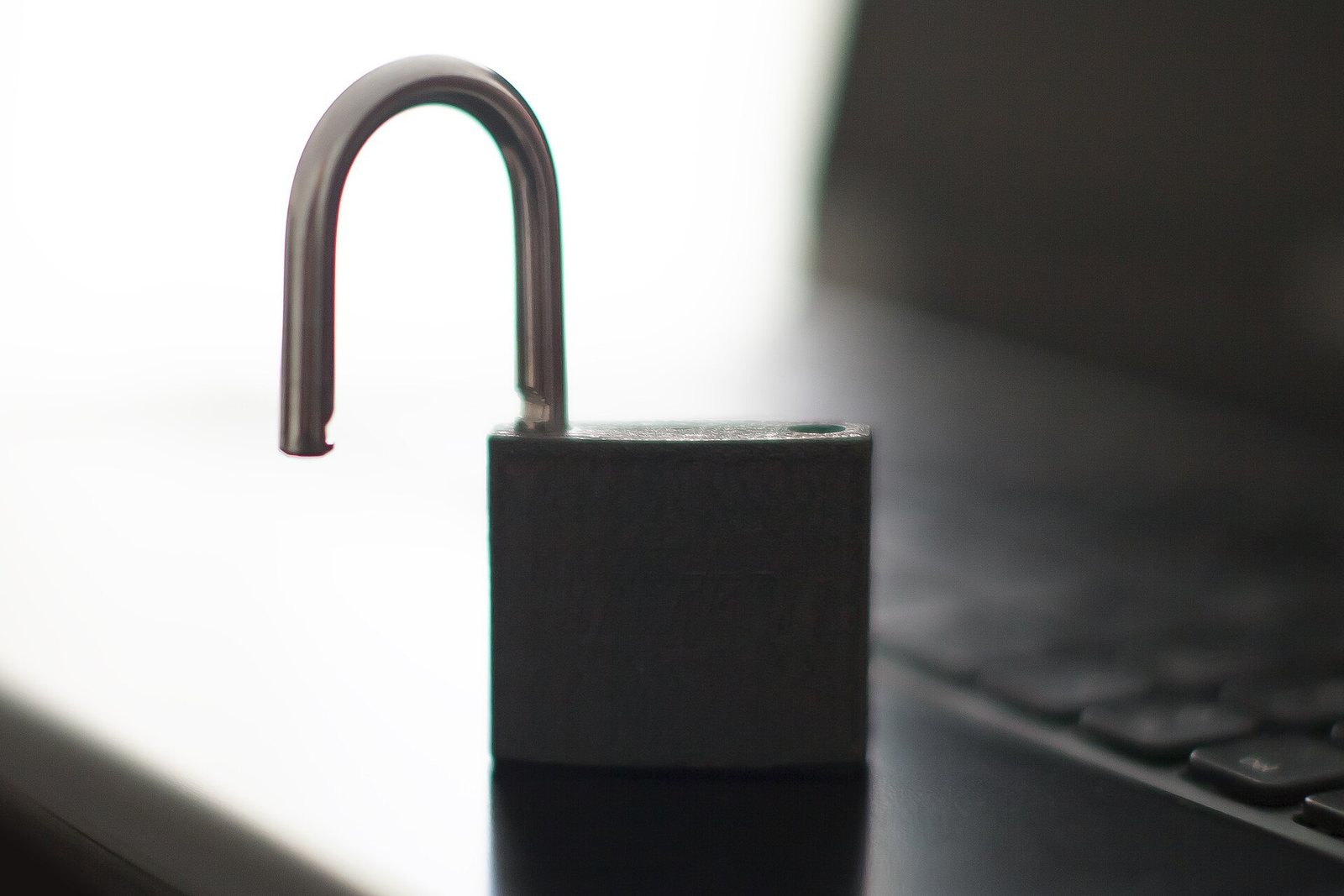
Photo: Open lock on laptop (49919519837), Yuri Samoilov — CC BY 2.0
Source: hightech.plus

Comments
Sign in to leave a commentNo comments yet. Be the first.